Introduction
In today's world, the quality of the air we breathe has become a considerable issue, particularly in academic settings. With an increased awareness of health and wellness, educators and moms and dads alike are looking for reliable services to guarantee that class offer a safe and healthy environment for trainees. Amongst the lots of tools available, small air purifiers have emerged as a useful and efficient methods of boosting class air quality. In this article, we'll explore how these gadgets work, their benefits, and why buying an air cleanser for schools is not simply a luxury however a necessity.
Small Air Purifiers: Big Solutions for Class Air Quality
When it concerns improving indoor air quality in classrooms, small air purifiers offer big services. These compact devices are designed to filter out damaging contaminants such as dust, allergens, and even pathogens that can flow within the restricted spaces of a school. Unlike big area air purifiers which might be more matched for larger environments, small air purifiers fit flawlessly into any class setting without taking up much space.

Understanding Indoor Air Quality (IAQ)
What is Indoor Air Quality?
Indoor Air Quality describes the condition of the air inside structures, specifically as it relates to the health and convenience of occupants. Elements impacting IAQ include ventilation rates, temperature control, humidity levels, and the presence of indoor pollutants.
Why is IAQ Important in Classrooms?
Classrooms are often filled with various sources of indoor contamination including:
- Dust Allergens from family pets or plants Volatile natural substances (VOCs) from paints or cleaning supplies Pathogens like bacteria and viruses
Poor IAQ can cause adverse health results such as headaches, fatigue, breathing problems, and reduced concentration amongst students.
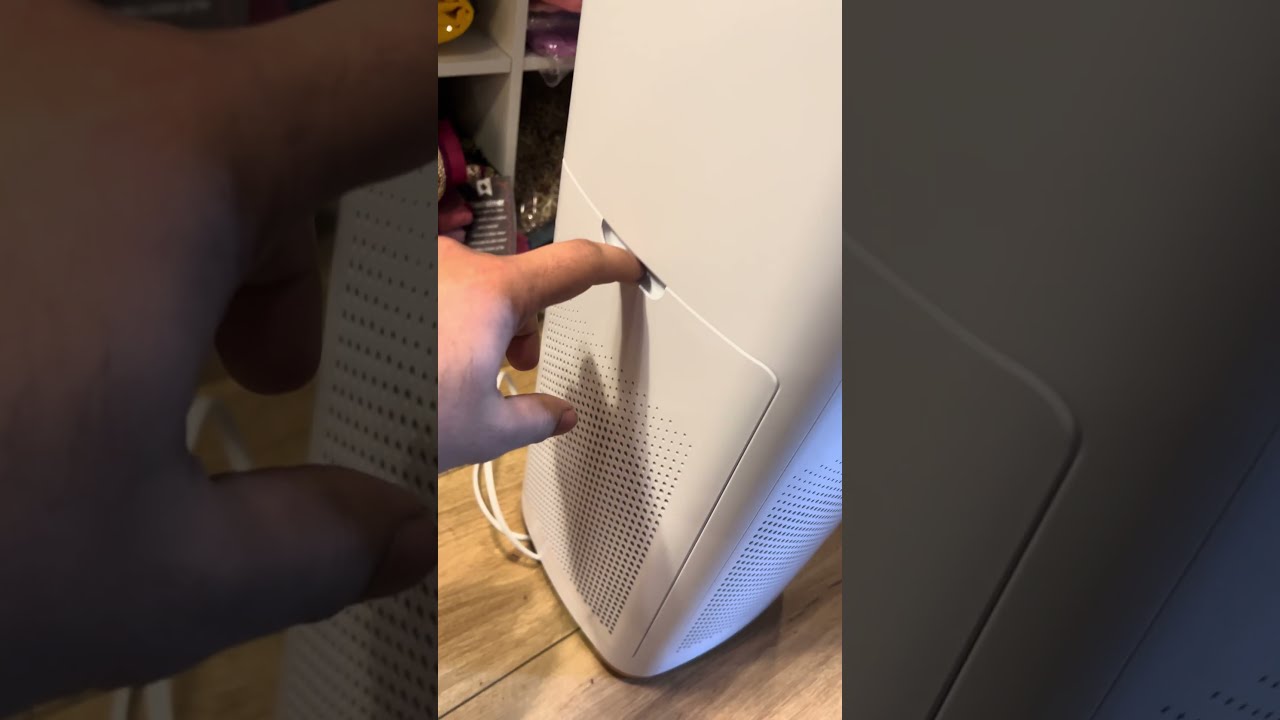
Benefits of Utilizing Small Air Purifiers in Classrooms
1. Improved Health Outcomes
By removing harmful particles from the air, little air purifiers play an important role in improving trainee health outcomes. The elimination of irritants can minimize instances of asthma attacks and allergic reactions.
2. Boosted Concentration and Learning
Clean air Medify Air adds to better focus. Research studies reveal that trainees perform better academically when they are breathing clean air devoid of pollutants.
3. Adaptability in Placement
Small air purifiers can be positioned tactically throughout a class-- on desks or racks-- guaranteeing optimal airflow without interrupting finding out activities.
4. Low Sound Levels
Many modern little air cleansers run silently making them appropriate for classroom environments where diversions require to be minimized.
5. Cost-Effectiveness
Compared to larger models or commercial HEPA air purifiers that might need professional setup or maintenance, little air cleansers are generally more budget friendly both upfront and over time.
How Do Small Air Purifiers Work?
HEPA Filtering Innovation Explained
Small HEPA (High Performance Particulate Air) filters record 99.97% of air-borne particles to 0.3 microns in size. This consists of dust mites, pollen grains, mold spores, family pet dander, and even some germs and viruses.
What is a Commercial HEPA Air Purifier?
Commercial HEPA air purifiers are developed for larger spaces however utilize comparable purification innovation as small systems. They're perfect for fitness centers or auditoriums related to schools where higher volumes of pollutants may be present.
Additional Purification Technologies
Many little air purifiers also include extra innovations such as:
- Activated Carbon Filters: Efficient at soaking up odors from smoke or VOCs. UV Light: Helps remove germs and infections by breaking down their DNA.
Choosing the Right Small Air Purifier for Classrooms
Key Functions to Consider
When selecting an air cleanser for class, consider these features:
|Function|Importance|| ------------------------------|---------------------------------------------|| Filter Type|Try to find HEPA filtering|| CADR Score|Greater scores indicate faster filtration|| Noise Level|Must operate silently throughout class hours|| Size|Guarantee it fits well within class area|| Maintenance Requirements|Easy filter replacement is necessary|
Recommended Designs for Classrooms
Honeywell HPA300 - Known for its powerful HEPA filter. Levoit Core 300 - A compact model ideal for smaller spaces. Dyson Pure Cool Me - Combines cooling fan with an innovative filtration system.Air Cleanser Upkeep Tips
Regular maintenance makes sure longevity:
Change filters according to producer guidelines. Clean pre-filters routinely if applicable. Keep vents clear of obstructions. Monitor efficiency signs if available.Addressing Common Misconceptions about Small Air Purifiers
Myth 1: They Don't Work Effectively
Many believe that just big area air purifiers can effectively clean the air; nevertheless, little models with HEPA filters can substantially enhance IAQ in restricted areas like classrooms.
Myth 2: They're Too Noisy
Advancements in technology have actually made many small units run quietly enough not to disturb classes while still offering outstanding cleansing capabilities.
The Function of Moms and dads and Educators in Promoting Healthy Class Environments
Parents and educators need to work together on efforts that prioritize healthy learning environments through education on IAQ advantages in addition to advocating for required resources like modern-day small air purifiers.
FAQs about Small Air Purifiers
1. Do little air cleansers remove smoke from wildfires?
Yes! Numerous modern little air cleansers equipped with triggered carbon filters effectively soak up smoke odors along with damaging particulates connected with wildfire smoke.
2. How typically must I run my class's small air purifier?
It's suggested to run your little cleanser constantly during school hours or whenever trainees exist to maintain optimal indoor quality.
3. Can I utilize an industrial-grade HEPA filter in my classroom's purifier?
No! While industrial-grade filters may have superior filtration abilities planned for larger areas; they generally do not healthy basic residential models produced classrooms.
4. How do I know when it's time to change the filter?
Most designs have indication lights that inform you when it's time; otherwise inspect every couple of months depending on use levels suggested by producer guidelines!
5. Are there any safety concerns relating to ozone emissions from specific types of units?
Some older designs release ozone which can irritate respiratory systems; always check item requirements before purchasing!

6. Is it possible to link several little systems together?
While you can't physically connect them like ducts; placing numerous units strategically around your room will boost overall effectiveness!
Conclusion
The value of maintaining high indoor air quality requirements can not be overstated-- specifically within our schools where young minds collect daily! Purchasing little air purifiers stands apart as one substantial action towards making sure much healthier learning environments compared against conventional large area options due primarily their convenience & & price elements linked closely together highlighting what really counts most-- trainee well-being!
Ultimately selecting appropriate devices tailored particularly towards requirements discovered inside classrooms assists foster imagination along with efficiency allowing teachers everywhere across all grade levels elevate experiences every day through cleaner healthier breathable environments allowing everybody involved grow!
As we continue navigating difficult times ahead let's ensure our kids relax while engaged completely growing towards bright futures ahead filled endless possibilities-- all starting right here at school!